
In 2013, Oxford economist Carl Benedikt Frey famously predicted that nearly half of all jobs could be automated. A decade later, this prediction feels more relevant than ever. AI and automation are transforming industries, reshaping work, and challenging us to adapt.
The rise of these technologies has sparked concerns about job displacement, but it also presents an immense opportunity: the chance to focus on what makes us uniquely human—creativity, adaptability, and innovation.
Innovation and Differentiation in the Age of AI
As AI takes over repetitive and rules-based tasks, the human role in the workforce evolves. Businesses looking to differentiate themselves must increasingly rely on innovation. The future of work will reward individuals who bring fresh ideas, solve complex problems, and collaborate effectively.
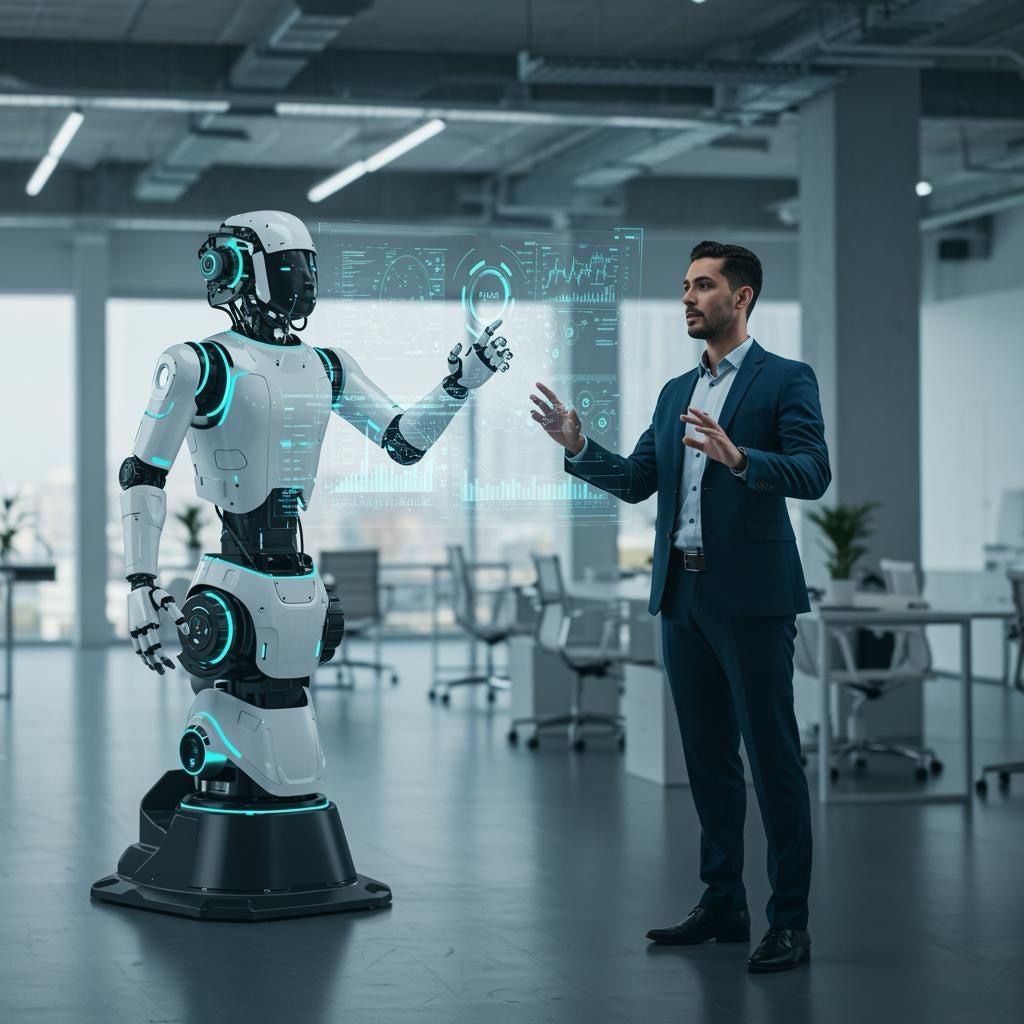
Soft skills like emotional intelligence, critical thinking, and adaptability are critical. At the same time, organizations must foster a culture of continuous learning to ensure employees can work alongside AI systems (see also Besser Maskottchen als CEO? Was KI-Analysen über Berufe wirklich aussagen. and [\[Gesponsert\] Was der European AI Act für dein Unternehmen bedeutet](https://digital-age.ch/european-ai-act-unternehmen/)). In this new landscape, humans and machines won’t compete—they’ll collaborate. AI will augment human potential, helping us achieve more than ever before.
The Demographic Challenge in the Western World
Beyond its impact on innovation, AI offers a solution to a major challenge in the West: the aging population and shrinking workforce (see also NZZ 'Europe's shrinking, aging population slows economic growth' 14.11.2024). As more people retire and fewer young workers enter the labor market, businesses face labor shortages that could slow economic growth and strain productivity.
AI can soften this demographic challenge by automating routine tasks and enabling businesses to do more with fewer workers. In areas like manufacturing and logistics, AI-powered systems and robotics can fill gaps, ensuring economic stability even as the workforce shrinks.
A Balanced Perspective
While AI’s potential is immense, it’s critical to address its challenges. Automation will displace some jobs, and not everyone will transition easily to new roles. Employers, educators, and policymakers must prioritize reskilling and lifelong learning to support workers through this shift.
History shows us that technological progress, while disruptive, creates new opportunities. AI is no different—it’s up to us to shape its impact in ways that benefit both businesses and society.
Moving Forward
Carl Benedikt Frey’s insights remain as relevant as ever. AI and automation are not only reshaping the workforce but also opening doors to new opportunities. To thrive in this new era, we must focus on innovation, embrace man-machine collaboration, and leverage AI to address challenges like demographic shifts.
The future of work belongs not to machines alone but to those who imagine and build new ways of collaborating with them. Let’s rise to the challenge and create a future where humans and AI thrive together.